The intersection of aging and disability represents two different types of trajectory; aging with a disability and aging into disability. Both situations are complex and create new challenges for an aging population which is caused by increased life expectancy. Aging people with disabilities require accessible, specialized and inclusive care and support tailored to their individual needs. Organizations like Path-Now offer a comprehensive range of resources and support for individuals with disabilities on an accessible and easy to use platform.
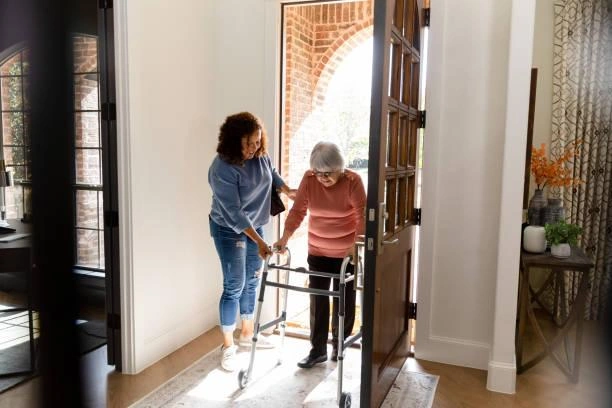
Distinct Differences
Aging with disability: many people grow old with a lifelong disability such as neurological conditions, chronic illness or physical impairments and with the addition of natural age related issues, this can cause accelerated aging or increased health conditions.
Aging into disability: growing older causes new impairments to arise such as musculoskeletal disorders, dementia or cardiovascular disease and people have to learn how to navigate these new issues as they age.
Intersecting Barriers
Both groups who are aging with a disability or aging into a disability face the same challenges and barriers in society. This includes:
- Fragmented systems
The care systems for both the aging and disability communities are fragmented and uncoordinated which can cause problems for people aging with long-term disabilities as they don’t overlap. Individuals may lose access to services once they reach a certain age and people would prefer an integrated care system for improved services.
- Discrimination
Both groups face discrimination from society. People aging with a disability suffer from ableism as many people are sceptical that young people can have a disability, especially if they can’t see it whereas aging into disability causes ageism as people will treat them differently. This can then lead to social isolation and increased mental health problems.
- Structural inaccessibility
There is a considerable lack of accessibility in society, such as transportation, housing and healthcare which causes both of these communities to struggle in society. More needs to be done to provide people with disabilities structural support and accessibility to allow them to be able to participate in society.
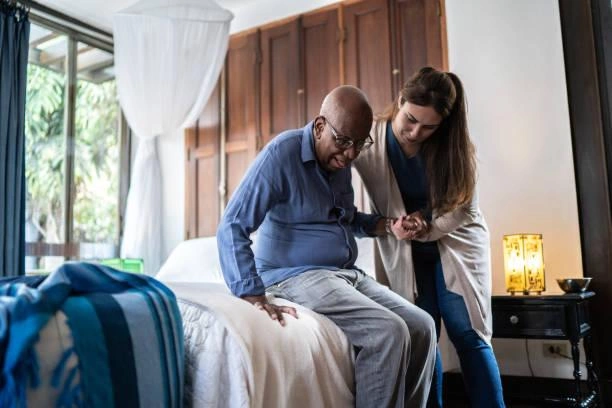
Aging and Disability Technology
Although there are still many barriers for aging individuals and those living with disabilities, there is also a lot of support and technological advancement available too. There are various technology innovations that help people with disabilities in daily life, such as smart home fixtures and apps that can switch on lights or the heating, automatic fall detection for wheelchair users and other programs which are specially designed to focus on the user and provide personalized support. Not only can technology improve capabilities, it also improves quality of life for adults living with disabilities.
Aging and disability have many things in common with similar challenges and barriers that people have to deal with. Path-Now is an accessible organization that connects clients with matched service providers to ensure everyone receives the right support and resources in one place.
