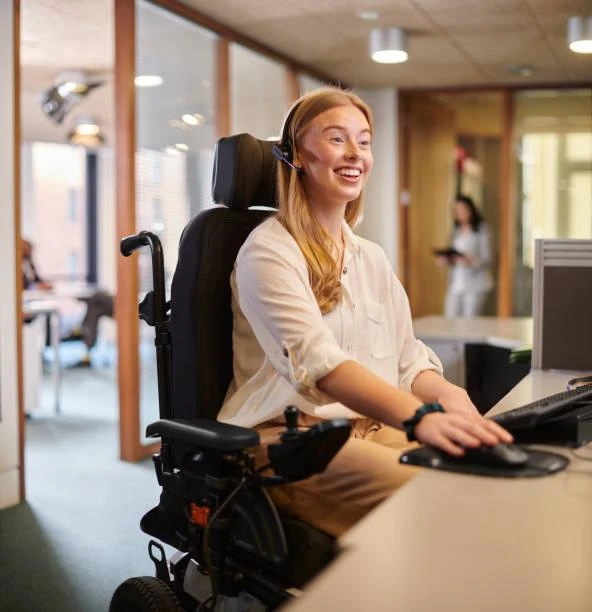
Education Accessibility in 2026: Are Schools and Universities Keeping Up?

Accessibility in education is receiving a fast and effective transformation to ensure individuals with disabilities have access to inclusive services, adjustments and technology to succeed in education. Schools and universities are constantly trying to improve accessibility in the classroom and in their digital infrastructure but struggles do remain due to lack of resources and funding.

In the USA, the Department of Justice declared a new rule under the Americans with Disabilities Act (ADA) which requires schools, colleges and universities to provide websites and mobile apps that meet WCAG 2.1 Level AA standards.
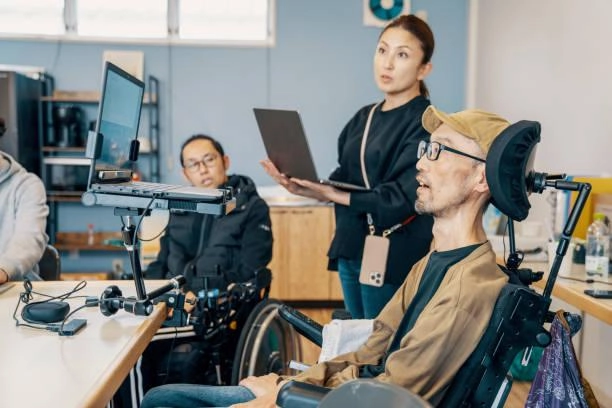
Education Accessible Technology

Educational institutions are constantly improving their accessible digital learning tools to encourage inclusive learning by supporting diverse needs. Accessible technology includes:

  • Speech to text tools

Speech to text allows students to speak instead of typing for those with motor challenges and text to speech reads online texts out loud to help those with visual impairments or learning difficulties. This boosts both engagement and independence for students with disabilities.

  • Reading support

Technology such as Microsoft’s Immersive Reader or Read&Write provides text to speech, line focus and dictionary tools to help individuals with disabilities read what is required in class. This enhances comprehension and understanding in lessons.

  • Visual and audio support

Tools including screen readers, auto captions, narration and transcripts are vital to providing effective visual and audio support for individuals with hearing or visual impairments.

  • Accessible online documents

Certain tools make online documents such as PDFs and images easier to read, edit and interact with. Course material is made more accessible with alternative formats available depending on the individual’s needs.

Accommodations

  • Course materials including textbooks, worksheets and notes are available in accessible formats such as Braille, screen readers, large print or e-text.
  • Lectures and lessons may include a live sign language interpreter or real-time captions on recordings so students with impairments or disabilities are able to follow the course.
  • Exams and tests may be performed in separate rooms with the use of assistive technology and time extensions given to reduce distractions and help students with motor or cognitive disabilities.
  • Classroom and campus adjustments including physical access in classrooms and buildings such as ramps, disabled parking, elevators, adjustable furniture and accessible bathrooms. Sensory and quiet rooms also give students a calming place to visit when moments get too overwhelming.

Education accessibility is certainly improving all the time with the increase of digital tools and accommodations being made to help support students with disabilities. There are still various challenges in keeping up with the fast turnaround due to lack of funds and resources but steps are slowly being made every day.

Path-Now is an accessible platform which provides clients with an extensive selection of disability resources, programs and support in California.
How to Be an Ally: Supporting Friends, Family, and Co-workers with Disabilities

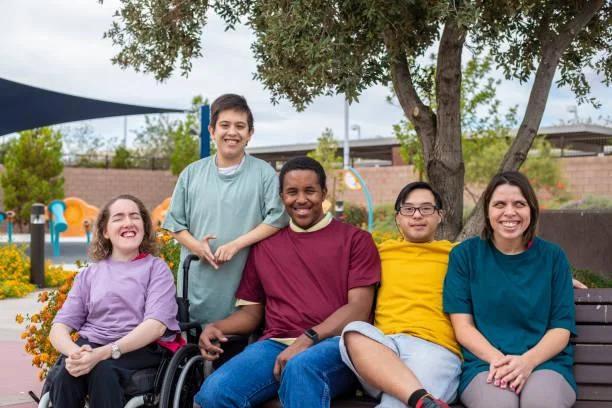
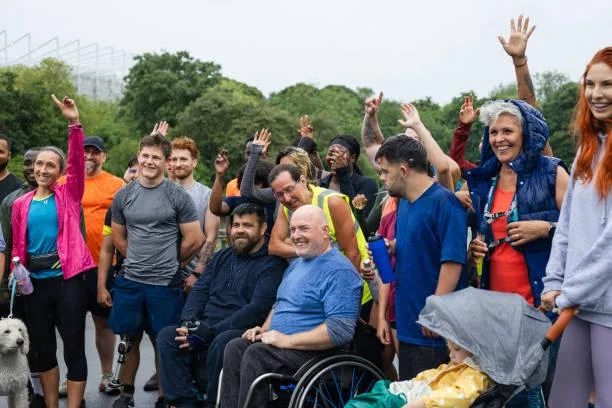
Being an ally for disability is all about support and education to create a better environment for those around you with disabilities. Whether you want to be more supportive for friends and family, a co-worker or simply improve your allyship, there are many steps you can take to become a better disability ally. Path-Now provides a wide range of resources and disability services in California for people with IDD as well as support for family members.

How to Be a Better Ally

To be a good disability ally, you should educate yourself, listen to individuals with disabilities and advocate for accessibility and inclusivity in both social environments and work places to support family, friends and co-workers.

  • Listen to people with disabilities

Instead of just assuming you know what to do, actually listen to your friends and family’s needs – remember they live with their disability and know what’s best for them. Also, believe what they are telling you about their lived experience with a disability and learn what you can do to help them.

  • Educate yourself

Education is vital for learning about and understanding different disabilities, the barriers in society people with disabilities face and the importance of accessibility. It’s not down to disabled people to educate you but there are so many resources available to help people learn.

  • Use inclusive language

Using the right language is important to help make individuals with disabilities more comfortable. Everyone has their own preferred terminology so be respectful and ask for their preferences. There are also certain negative words you should never use regarding disability too.

  • Be an advocate for disability

Never be afraid to speak up and stand up for disability rights. Challenge ableist behaviour, language and jokes and use your voice and platform to advocate for accessibility and confront disability issues

  • Always consider accessibility

Accessibility should be available for all, whether its transport, mobility in buildings, online documents or image descriptions. Always think about the possibilities of accessibility in everything you do. One small change can make the biggest improvement for people with disabilities.

Supporting Friends, Family and Co-workers

To be more supportive for friends and family, always plan inclusive socializing that is suitable for people with disabilities. Check if venues such as parks, restaurants and cinemas are fully accessible before you visit and also research disability friendly places to keep in mind. Also, be flexible when it comes to any last minute changes or cancellations due to their health.

In the workplace, provide support when it comes to various accommodation requirements to improve accessibility such as software and computer equipment, flexible hours and sensory needs. Build a safe and accessible environment for workers with disabilities.

Path-Now is an accessible platform that connects individuals with autism and developmental disabilities with comprehensive resources and services in California. Find custom matched service providers tailored to your individual needs all in one place.

Gaming and Disability: The New Era of Inclusive Play

Gaming has become an important pastime for individuals with disabilities and the improvement of game design over recent years to ensure games now offer inclusive play means that everyone can play and enjoy the experience. It is estimated that 450 million gamers worldwide have a disability and developers are increasingly creating games that provide equal play with impressive accessible features. Gaming helps reduce isolation for people with IDD with the ability to connect socially with people around the world from their own home.

Accessibility Features in Games and Consoles

There are now many incredible accessible features in video games which make gaming much more inclusive for people with disabilities. These include:

  • Inclusive designs

Fully inclusive games consider accessibility requirements and include various settings for video, audio and motor accessibility adjustments. This ensures gamers with disabilities can set up the game to suit their individual needs and fully immerse in the story telling and graphics. For example, The Last of Us Part 2 has over 60 accessible settings.

  • Adaptive controllers

Many consoles such as the Xbox, Playstation and Nintendo Switch now offer adaptive controllers which allow gamers to customize their controller for optimized game play. Controllers may have swappable components, external switches, pluggable joysticks and more options which helps gamers with reduced mobility to play the game in a way that suits them.

  • Visual and audio features

Games provide a wide range of visual and audio features such as subtitles, voice to text, audio captions, screen readers, voice commands and more. These ensure gamers with a disability never miss out on any of the action or the story as it happens on screen.

  • Assist modes

Gaming assist modes provide the ability to fine-tune game play parameters to reduce the difficulty and increase accessibility of challenging games. This may include modifying damage taken or invincibility, adjusting game speed, assistance with navigation or auto aim to create an accessible game play.

Benefits for Gamers with Disabilities

There are many benefits of gaming for people with IDD as not only does it provide a social connection to other players worldwide and a sense of community, these accessible features ensure people with disabilities feel included no matter what their ability. Accessible features create an equal footing for all gamers and they provide an escape from the stresses and realities of daily life.

Gaming can also encourage independence, improve confidence and mental wellbeing. It improves the development of cognitive skills, motor skills and communication skills as the games are designed to encourage problem solving and cognitive thinking and can improve fine motor skills with hand-eye coordination. There are so many reasons why people with disabilities should give inclusive gaming a try!

Path-Now is an accessible platform which connects individuals with developmental and intellectual disabilities to a fantastic range of disability resources and services in California. Discover programs, groups and communities to support your individual needs.

Invisible Disabilities: Navigating Social Challenges and “Hidden” Disabilities

Invisible disabilities are neurological, mental or physical conditions that cannot be seen or aren’t obvious to others but can significantly affect daily life at work, home or during socialization. A hidden disability has many social challenges due to various people not believing there is something wrong if they can’t see it which can lead to accusations of people faking it and the development of social stigmas around hidden disabilities.

There is a considerable lack of public understanding regarding invisible disabilities in society. Hidden disabilities can range from mental health and autoimmune disorders to chronic pain and sensory or neurological impairments and just because we can’t see them, it doesn’t mean that they aren’t there.

Navigating Social Challenges

An invisible disability doesn’t fit the stereotype of a disabled person such as using a wheelchair or walking aid and so they often face various difficulties in society as if they have to prove that they do have a disability which can be deeply frustrating and upsetting. More needs to be done in society to help people with hidden disabilities fit in and feel welcomed without being judged by others.

Everyone with an invisible disability will have surely heard the words ‘but you don’t look sick’ at some point in their life from co-workers, the public and even healthcare providers! Judgement from others is a part of everyday life, especially when using priority seating, disabled parking and accessible toilets. This constant judgement and scepticism can cause social isolation in people with disabilities which is very tiring to try and fit in to a social situation while also trying to mask any pain or symptoms.

There are many social challenges that people with invisible disabilities face everyday but steps are being made to make people feel more welcome and safe in society with various initiatives designed to improve understanding and provide support.

Support and Initiatives for Hidden Disabilities

  • Sunflower lanyard

The sunflower lanyard has become a worldwide signal to symbolize that the wearer has a hidden disability and may need extra support, understanding and time in public spaces. This offers a more discreet way of expressing a hidden disability.

  • Support networks

There are many organizations that offer additional support and resources like Path-Now to ensure people can connect with others who may have similar conditions to reduce social isolation and encourage improved mental health and wellbeing.

  • Advocacy

People with hidden disabilities can request necessary accommodations to be made under the Equality Act and Americans with Disabilities Act to reduce social challenges and increase productivity.

  • Increased education

Workplaces and public spaces can be more inclusive to hidden disabilities if they receive the appropriate education and awareness to increase their understanding and learn what they can do to remove the barriers that people with disabilities face.

Programs such as Path-Now offer people with hidden disabilities a wide range of support and resources to help navigate public spaces. There needs to be more information available to help people understand invisible disabilities and reduce the stigma that can affect so many people’s lives.

Gen Z and Disability: The Next Generation of Activists and Their Approach to Disability Justice

Gen Z culture has much more of a focus on self presentation and visibility than previous generations and the increased use of social media has helped disability justice to evolve over the years. The disability movement is being reshaped by Gen Z activists, shifting from individual advocacy to Disability Justice. This is an intersectional framework that not only views disability as a medical issue, but also a political, social and cultural issue and recognises that disability overlaps with gender, race and sexuality.

Many Gen Z disability advocates now like to share their lived experiences as people with disabilities with aims to create a more inclusive environment for everyone. Social media has become a huge part of activism for disability justice as it is often used to lift voices from the disability community and also creates online communities and builds relationships for people with disabilities to come together.

Types of Gen Z Disability Activism

There are many different ways that Gen Z perform disability activism to gain more attention and increase inclusivity. Gen Z use the modern digital age to normalize disabilities, tackle ableism and aim for systemic change using social media to make sure their voices are heard. Here are just some of the ways that Gen Z are bringing about change and disability justice:

  • Digital advocacy

Social media offers many benefits for social activists including increased reach and visibility for people to tell their stories and be heard. Activists use social media to share lived experiences, educate followers and normalize being ‘different’ by showing everyone the realities of living with a disability. Before Gen Z, most disability activism was face to face or in person with community organisations and programs but now they can reach millions more people through various apps.

  • Content creation

Gen Z activists use social media apps such as Youtube, Tik Tok, X and Instagram to create content about disabilities and share experiences, hoping to increase education and understanding for people watching worldwide. Influencers also include captions, image descriptions and alt-text which makes their content much more accessible for everyone.

  • Change in terminology

A lot of the language used for disabilities can be seen as quite limiting and so there has been a change in terminology to embrace the differences of people with disabilities. For example ‘neurodivergent’ is used more to highlight the strengths of certain cognitive differences rather than focusing on the deficits.

  • Focus on intersectionality

Gen Z activists target the intersectionality of disabilities and identity and offer focused support for different groups. For example, there are more resources available for people of color with disabilities and people with disabilities in the LGBT+ community which provides these groups with additional support.

Gen Z activists have transformed the way people see disability in public and in the workplace. There are now so many more resources and support available worldwide with online communities, increased visibility and accessibility to normalize disability and increase understanding. Organizations like Path-Now in California provide clients with an extensive range of service providers and support for the IDD community.

Aging and Disability: The Intersection of Aging and Disability

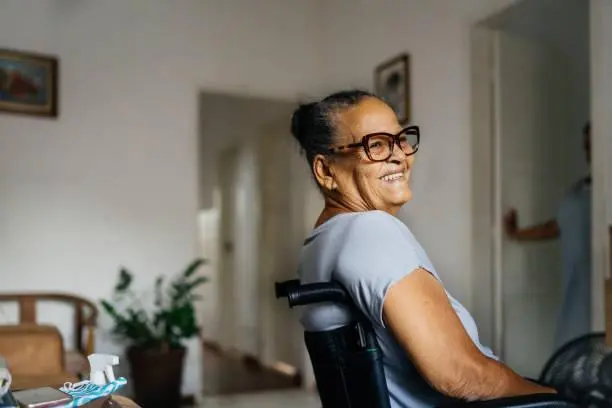
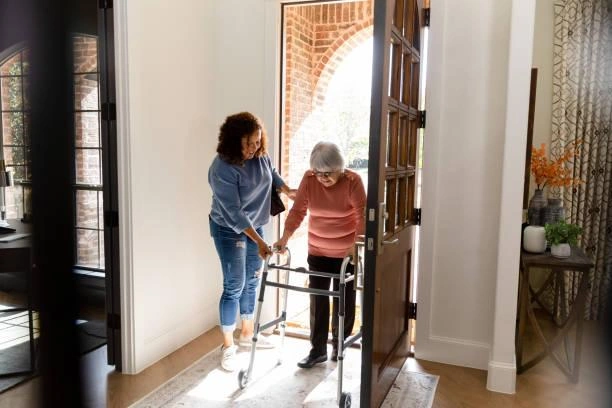
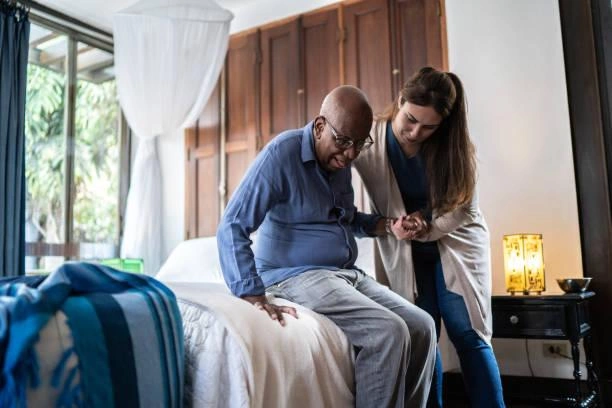
The intersection of aging and disability represents two different types of trajectory; aging with a disability and aging into disability. Both situations are complex and create new challenges for an aging population which is caused by increased life expectancy. Aging people with disabilities require accessible, specialized and inclusive care and support tailored to their individual needs. Organizations like Path-Now offer a comprehensive range of resources and support for individuals with disabilities on an accessible and easy to use platform.

Distinct Differences

Aging with disability: many people grow old with a lifelong disability such as neurological conditions, chronic illness or physical impairments and with the addition of natural age related issues, this can cause accelerated aging or increased health conditions.

Aging into disability: growing older causes new impairments to arise such as musculoskeletal disorders, dementia or cardiovascular disease and people have to learn how to navigate these new issues as they age.

Intersecting Barriers

Both groups who are aging with a disability or aging into a disability face the same challenges and barriers in society. This includes:

  • Fragmented systems

The care systems for both the aging and disability communities are fragmented and uncoordinated which can cause problems for people aging with long-term disabilities as they don’t overlap. Individuals may lose access to services once they reach a certain age and people would prefer an integrated care system for improved services.

  • Discrimination

Both groups face discrimination from society. People aging with a disability suffer from ableism as many people are sceptical that young people can have a disability, especially if they can’t see it whereas aging into disability causes ageism as people will treat them differently. This can then lead to social isolation and increased mental health problems.

  • Structural inaccessibility

There is a considerable lack of accessibility in society, such as transportation, housing and healthcare which causes both of these communities to struggle in society. More needs to be done to provide people with disabilities structural support and accessibility to allow them to be able to participate in society.

Aging and Disability Technology

Although there are still many barriers for aging individuals and those living with disabilities, there is also a lot of support and technological advancement available too. There are various technology innovations that help people with disabilities in daily life, such as smart home fixtures and apps that can switch on lights or the heating, automatic fall detection for wheelchair users and other programs which are specially designed to focus on the user and provide personalized support. Not only can technology improve capabilities, it also improves quality of life for adults living with disabilities.

Aging and disability have many things in common with similar challenges and barriers that people have to deal with. Path-Now is an accessible organization that connects clients with matched service providers to ensure everyone receives the right support and resources in one place.

Why Tech Tools Like Path-Now Are Changing Access to Care

There has been a major improvement to technology and tools for people with intellectual and developmental disabilities over recent years. Not only can you use a variety of devices and systems such as screen readers, text to speech and sensory support apps, there are also many programs and services available to improve accessibility to care for those who need it.

Path-Now is a service that provides clients with access to thousands of trusted providers in California. Once you sign up, you are matched to relevant providers which are tailored to your specific needs to ensure you find the appropriate resources for you. You can connect with any providers you like and receive professional, pro-active support. There are other similar platforms that are all focused on improving access to care for those with autism or intellectual disabilities.

How These Tools Improve Access to Care:

Instead of being put on a waitlist by a health care provider or waiting to be approved to try a new device, these online tech tools offer support right here, right now. With 24/7 access to the online platform, clients feel much more in control of their disability and the support they receive. This is the value of searchable provider directories for people with IDD

  • Choose the right service for your needs – find the best local services and programs for your individual needs to ensure you receive tailored support that works for you. There are thousands of providers listed and there is definitely something for everyone.
  • Active coordination – waiting lists are a huge problem for health care and support but with programs and services that can be found on these platforms, clients can receive instant and continuous coordination and communication to increase support and receive professional services quickly.
  • Improves self management – with such a vast database of local disability resources and support, clients can always find what they are looking for and also discover new programs and support groups that offer personalised services for everyone. You don’t need to wait on certain services and can receive the help and support you need at suitable times for you.
  • Client centred services – digital technology tools allow clients to receive personalised services and care plans as well as having access to better management of various conditions with direct access to these professional providers.

These accessible tech tools and services like Path-Now are transforming the way clients receive care and enjoy the services provided. The services remove certain administrative, physical and medical barriers by providing a much wider pool of accessibility to essential services that clients look for.

Path-Now is an accessible and easy to use online platform which is designed to help individuals with autism or intellectual and developmental disabilities find and connect with local services in California. Using the interactive platform, clients can browse through the thousands of providers to discover the ideal services and resources tailored to your unique requirements. Connect with various disability services in your local area and receive access to amazing support at all times.

Top 5 Autism-Friendly Places to Visit in California

It can be hard to find suitable places to visit in California for individuals with intellectual disabilities but there are many autism-friendly places that pride themselves on providing a safe, sensory-friendly and enjoyable experience for everyone.

Whether you are looking for something educational, fun or engaging, you can discover numerous attractions that are credited as Certified Autism Centers (CAC) in which staff are provided with specialized training and offer certain accommodations such as sensory guides and quiet hours and rooms to make these places more accessible for all.

Here are the top 5 autism friendly places in California:

01. Sesame Place San Diego
This theme park is a CAC and is perfect for fans of the classic hit TV show and offers children of all ages live entertainment, rides, a water park and access to favourite characters. For children with sensory needs, all of the staff must complete autism sensitivity and awareness training and there are various facilities in place including quiet rooms, access to noise-cancelling headphones and a sensory guide for the park. You can also upgrade your tickets with the Magic Queue pass to skip the long lines.

02. Santa Barbara Zoo
An exciting place to visit for people of all ages, the Santa Barbara Zoo covers over 30 acres of land and is home to over 500 animals offering a fantastic day out. The zoo hosts Autism Safari Nights for families with autistic children to enjoy a movie, bounce house, reading corner and sensory activities with food and drink provided. The zoo also provides guests with sensory backpacks and there are dedicated quiet spaces throughout the grounds.

03. LEGOLAND California
LEGOLAND is an amazing attractions for families with an incredible world made out of 60 million Lego bricks! Featuring rides, a water park and an aquarium, there really is something for everyone to enjoy. A sensory guide is provided for autistic people which rates each ride according to how it may affect each of the five senses and earplugs are also available along with a Sensory Room where families can have some quiet time.

04. Balboa Park
Balboa Park covers a huge 1200 acres with 18 museums, trails offering up to 65 miles of exploring and San Diego Zoo. There are plenty of places to visit with impressive gardens and museums and the Fleet Science Center opens its doors early for guests with disabilities every third Saturday of the month to explore the quieter, sensory friendly environment. Other museums have also created ‘social stories’ which allows visitors a preview of the experience.

05. Aquarium of the Pacific
Southern California’s largest aquarium, this attraction is home to over 11,000 animal exhibits covering three distinct waters of the Pacific Ocean and offers educational, behind the scenes experiences for all the family. There are Autism Family Nights which provide a quiet environment for people with sensory needs.

There are many amazing places to visit in California which are autism friendly and cater to various sensory needs. Here at Path-Now, you can discover a range of resources and support from matched providers tailored to your individual needs.

Planning for Life Transitions: School, Work, and Independent Living

For individuals with intellectual or developmental disabilities, major changes and life transitions can be stressful. To help those with disabilities feel more prepared to transition into school, work and independent living, you can make plans, create personalized goals and develop essential skills to make the change that little bit easier. There are many programs which aim to help young people transition into the next stage of their life by improving critical life skills, communication skills and building confidence.

Path-Now helps clients find a range of resources including local disability services and access to providers who teach daily living skills and offer help with financial support to encourage independent transitions.

School to Work Transition

To help individuals with IDD succeed at employment level, it is a good idea that they receive career counselling to discover which career is a good fit for them, their interests and their skills.

  • Skills development – focus on what they are good at and enjoy and further develop these skills in the employment field of their choice. Other skills necessary for the workplace include time management, ability to follow instructions and communication skills with colleagues.
  • Vocational training – consider specialized training, internships or apprenticeships to provide individuals with hands on experience in a work force to help them feel more confident and comfortable in the industry they choose.
  • Employment support – many careers provide personalized support for people with developmental disabilities to help maintain efficient and meaningful work in a supportive environment. Workplace adjustments such as quiet workspaces, flexible hours and clear instructions tailored to sensory needs are also a major support.

Independent Living Transition

The way to achieve successful independent living is to plan early and help individuals with IDD learn the life skills required to ensure they have the ability to live independently within a community. These life skills include:

  • Household responsibilities – this includes learning to cook, clean and do the laundry safely. It may be helpful to create a routine to help them get into a pattern of doing household chores regularly.
  • Hygiene and self care – learn efficient personal grooming and getting dressed and choosing what to wear, maintain regular health appointments such as doctors, dentist and opticians.
  • Finance handling – learn how to budget money and manage expenses safely and appropriately.
  • Time management – learn how to follow schedules and routines, meet work and life deadlines and plan daily activities.
  • Transportation – learn how to use local transport to help with travelling around the area such as bus routes and try ride apps.

Life transitions can cause major upheaval for people with disabilities but they are much easier to navigate with suitable plans in place. Focus on their strengths and develop important skills to ensure they have the ability to succeed in these changes.

Path-Now helps clients connect with autism and disability resources in California tailored to your unique needs. Simply make an account and discover thousands of local services on an accessible platform for free!

Inclusive Employment & Closing the Disability Pay Gap

Disability inequality in the work force has been a big problem worldwide for many years and there is still a long way to go to close the disability pay gap and encourage inclusive employment for all.

In the US, the United States Census Bureau found that in 2019, full-time, year-round workers with a disability earned 87 cents for every dollar earned by workers without a disability. However, despite the small gap in full-time workers, individuals with a disability are less likely to work full-time. This means that if we include all workers, regardless of their occupation and how many hours they work, the average disability pay gap increases to 66 cents for every dollar those without a disability earn.

There has even been research to suggest race and gender also affect the disability pay gap with disabled women of colour in some cases only earning 43-46% of non disabled white men’s wages. However, small steps are gradually being taken in employment with aims to reduce the disability pay gap over time.

Why Does the Disability Pay Gap Exist?

There are many reasons why there is still a large disability pay gap in employment including:

  1. Employer discrimination – some employers may believe that due to the disability, disabled workers are unable to perform their job to the same standard of non-disabled workers. This is why adjustments must be made to ensure the job role is accessible and the workers have the same opportunities to avoid these negative stereotypes.
  2. Structural disadvantages – many workplaces simply do not have the accessible features required to create a safe and inclusive space for workers with disabilities. A lack of support and resources make it extremely hard for workers with disabilities to perform at their best.
  3. Failure to adapt – workplaces need to be accessible for disabled workers such as incorporating the use of assistive technology and the option for flexible hours but employers may not want to make the necessary changes due to certain costs and other factors.

What Can Be Done to Close the Disability Pay Gap?

To close the disability pay gap, employers need to make the appropriate adjustments to the workplaces to ensure individuals with disabilities have access to the same resources as workers without disabilities. Removing all barriers that can affect the way people with disabilities work is just one step in reducing the inequality in the work force and the disproportionate disability pay gap.

The systemic issues need to be targeted and removed with investment in various skills training and programs to allow workers with disabilities the services and opportunities for further career progression.

In conclusion, there is still a long way to go to reduce the disability pay gap in employment but action is gradually being taken to improve the inequality, one step at a time. Path-Now provides clients with extensive resources and support matched to your individual needs. Receive support and find the most suitable career for diverse needs with help from professionals.

S.A.F.E. for Clients

Secure. Accessible. Free. Easy.

With the push of a button, access California’s largest network of service providers in the Intellectual and Developmental Disabilities (IDD) Community. From independent living services to job coaching and recreational day programs, you are custom matched in Path-Now to your local provider community. Within minutes, you will receive access to hundreds of providers.

I Need a Path-now!