There has been a significant increase in disability-owned businesses in the USA with estimates that 3% (1.8 million) of all businesses are owned by individuals with disabilities. This showcases a rise in inclusive entrepreneurship who overcame systemic barriers and large unemployment rates to create their own successful businesses.
Many people with disabilities face various barriers in the traditional job market such as non-inclusive equipment or working hours, lack of accessibility and unsupportive attitudes. Disabled entrepreneurs may face different barriers when branching out in their own business but with resilience and increased support, they are able to create safe and accessible spaces of their own to transform the job landscape for disabled business owners.
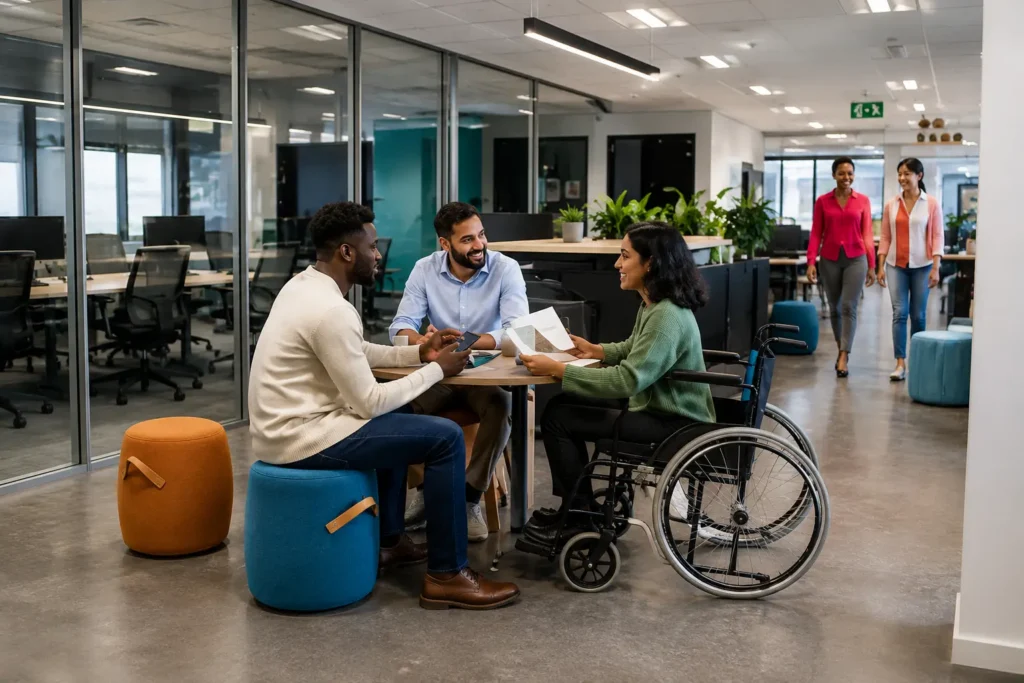
Founders
There are thousands of impressive founders with a disability in the USA who are continuing to break down barriers in the workplace by creating disability friendly and accessible jobs for all. For example:
- John Cronin – Co-founder of John’s Crazy Socks provides inclusive employment and was the first person with down syndrome to be on Forbes 30 under 30 list.
- Diego Mariscal – Founder of 2gether International, a startup accelerator for disabled founders who believes disability is an asset.
The Disability-Owned Business Enterprise (DOBE) certification has played a huge role in the rise of inclusive entrepreneurship which requires that a business is 51% owned, operated, and managed by an individual with a disability. This certification helps connect founders with corporate supply chains which removes barriers and provides access to essential contracts.
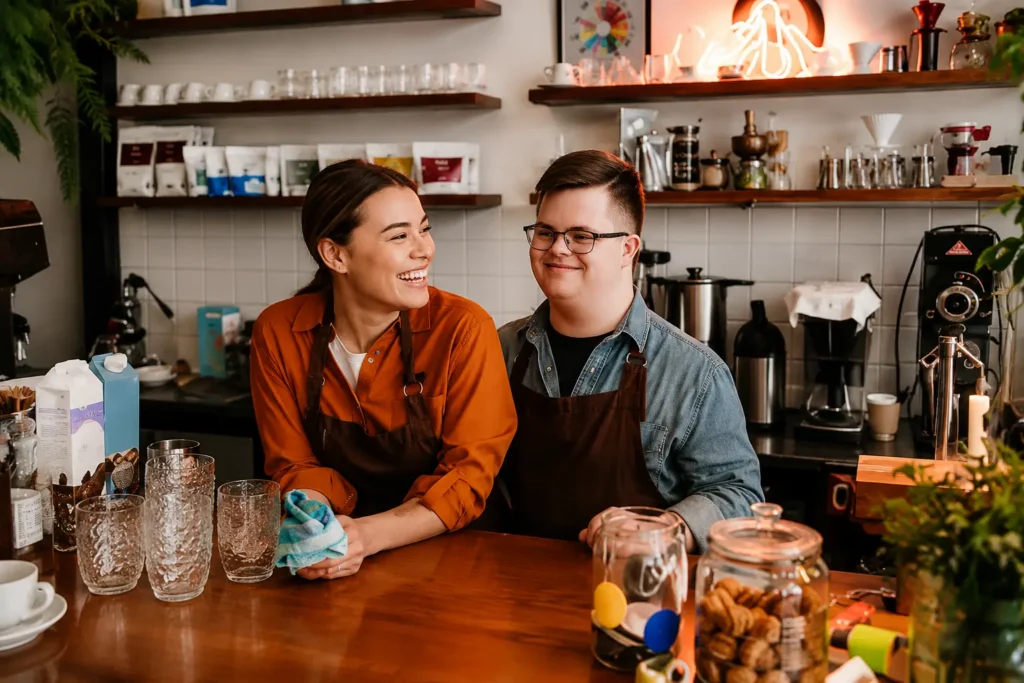
Barriers
There are different barriers to overcome as a disabled entrepreneur as even now people with disabilities don’t receive the same or tailored support for their business.
- Funding is a huge problem for disabled founders as they are less likely to receive the same funds as non-disabled businesses due to being seen as high risk.
- Infrastructure and accessibility needs much more improvement as most software platforms aren’t compatible with assistive technology and the costs for creating accessible spaces and providing the right technology is much higher.
- Societal barriers still exist and many investors or partners have an unconscious bias about the capability of disabled founders which leads to a lack of growth and networking opportunities.
Support ecosystems
However, there are various support ecosystems available to help ensure the disability owned businesses are a success.
- Community and advocacy – organizations and programs provide advocacy for equal rights, improved accessibility and increased access to funding. Inclusive entrepreneur networks also provide community, support and connections for disabled business owners.
- Inclusive policies – the DOBE certification, small disadvantaged business program and plan to achieve self-support are just a few programs which help disabled owners plan and manage funds for their business.
- Mentorship – there are programs which match up disabled founders with mentors who have the lived experience of owning a business as a disabled person to provide advice and support throughout the journey.
Path-Now is a secure platform that provides a wide range of support and resources for individuals with disabilities to increase independence and encourage confidence. Disability owned businesses are continuing to grow with increased support and mentorship in a safe community.
