Independence is built one step at a time. For individuals with autism and intellectual and developmental disabilities (IDD), mastering everyday skills can create meaningful opportunities for greater confidence, self-sufficiency, and community participation. While learning these skills takes time, consistent practice and the right support can make a lasting difference.
Whether it’s preparing a meal, managing a schedule, or navigating public transportation, each accomplishment helps build the foundation for a more independent life.

Everyday Skills That Build Independence
Daily routines provide structure, increase confidence, and help individuals develop lifelong habits. Breaking larger tasks into smaller, manageable steps makes learning more achievable and encourages success along the way.
Some important life skills include:
- Personal Care: Building routines for grooming, hygiene, dressing, and managing medications with reminders or alarms.
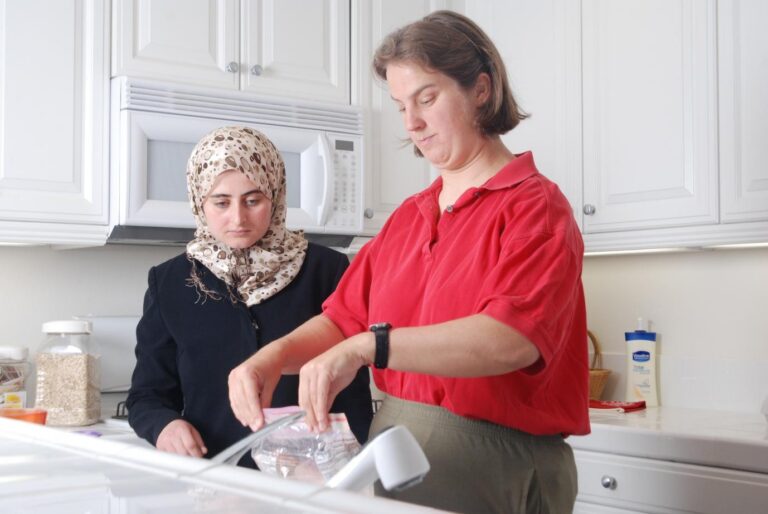
- Meal Preparation: Starting with simple recipes, assembling cold meals, and safely reheating leftovers before progressing to more advanced cooking skills.
- Money Management: Learning to budget, save, and understand everyday expenses like groceries, transportation, and entertainment.
- Organization and Time Management: Using calendars, visual schedules, phone reminders, or whiteboards to keep track of appointments, chores, and daily responsibilities.
- Community Navigation: Practicing how to safely travel to work, school, appointments, or community activities using walking routes or public transportation.
Supporting Growth Through Encouragement
Learning new skills doesn’t happen overnight. A supportive environment that encourages practice and celebrates progress helps individuals gain confidence and develop independence at their own pace.
Here are a few ways families, caregivers, and support professionals can help
- Guide Instead of Taking Over: Offer encouragement, prompts, and gentle coaching rather than completing tasks for someone. Repetition is an important part of learning.
- Celebrate Every Success: Every milestone matters. Recognizing small achievements builds motivation and confidence for the next challenge.
- Personalize Learning: Focus on skills that match the individual’s interests and goals, whether that’s cooking, technology, art, employment, or recreation.
- Use Helpful Tools: Visual schedules, reminder apps, smart home technology, adaptive kitchen tools, and other assistive devices can make daily routines easier and more manageable.
Independence Looks Different for Everyone
There is no single path to independence. Every individual has unique strengths, goals, and support needs. Progress may happen gradually, but every new skill learned creates more opportunities for choice, confidence, and participation in everyday life.
With patience, encouragement, and consistent practice, small daily accomplishments can lead to meaningful life changes.
How Path-Now Can Help
Finding the right resources shouldn’t be another barrier. Path-Now connects individuals with autism and IDD, families, and caregivers to local programs, services, and providers that support independent living, life skills development, employment, education, recreation, and community engagement.
No matter where someone is on their journey toward independence, Path-Now makes it easier to discover personalized supports that help turn everyday progress into lifelong possibilities.
