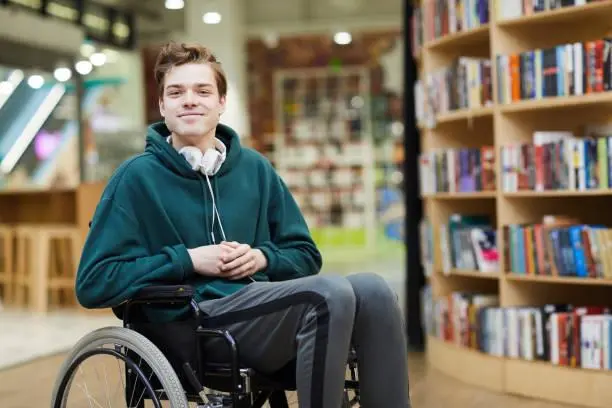
Gen Z culture has much more of a focus on self presentation and visibility than previous generations and the increased use of social media has helped disability justice to evolve over the years. The disability movement is being reshaped by Gen Z activists, shifting from individual advocacy to Disability Justice. This is an intersectional framework that not only views disability as a medical issue, but also a political, social and cultural issue and recognises that disability overlaps with gender, race and sexuality.
Many Gen Z disability advocates now like to share their lived experiences as people with disabilities with aims to create a more inclusive environment for everyone. Social media has become a huge part of activism for disability justice as it is often used to lift voices from the disability community and also creates online communities and builds relationships for people with disabilities to come together.
Types of Gen Z Disability Activism
There are many different ways that Gen Z perform disability activism to gain more attention and increase inclusivity. Gen Z use the modern digital age to normalize disabilities, tackle ableism and aim for systemic change using social media to make sure their voices are heard. Here are just some of the ways that Gen Z are bringing about change and disability justice:
- Digital advocacy
Social media offers many benefits for social activists including increased reach and visibility for people to tell their stories and be heard. Activists use social media to share lived experiences, educate followers and normalize being ‘different’ by showing everyone the realities of living with a disability. Before Gen Z, most disability activism was face to face or in person with community organisations and programs but now they can reach millions more people through various apps.
- Content creation
Gen Z activists use social media apps such as Youtube, Tik Tok, X and Instagram to create content about disabilities and share experiences, hoping to increase education and understanding for people watching worldwide. Influencers also include captions, image descriptions and alt-text which makes their content much more accessible for everyone.
- Change in terminology
A lot of the language used for disabilities can be seen as quite limiting and so there has been a change in terminology to embrace the differences of people with disabilities. For example ‘neurodivergent’ is used more to highlight the strengths of certain cognitive differences rather than focusing on the deficits.
- Focus on intersectionality
Gen Z activists target the intersectionality of disabilities and identity and offer focused support for different groups. For example, there are more resources available for people of color with disabilities and people with disabilities in the LGBT+ community which provides these groups with additional support.
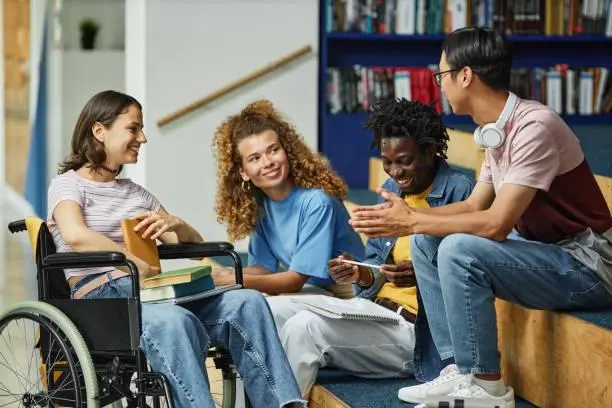
Gen Z activists have transformed the way people see disability in public and in the workplace. There are now so many more resources and support available worldwide with online communities, increased visibility and accessibility to normalize disability and increase understanding. Organizations like Path-Now in California provide clients with an extensive range of service providers and support for the IDD community.
