For individuals with intellectual or developmental disabilities, major changes and life transitions can be stressful. To help those with disabilities feel more prepared to transition into school, work and independent living, you can make plans, create personalized goals and develop essential skills to make the change that little bit easier. There are many programs which aim to help young people transition into the next stage of their life by improving critical life skills, communication skills and building confidence.
Path-Now helps clients find a range of resources including local disability services and access to providers who teach daily living skills and offer help with financial support to encourage independent transitions.

School to Work Transition
To help individuals with IDD succeed at employment level, it is a good idea that they receive career counselling to discover which career is a good fit for them, their interests and their skills.
- Skills development – focus on what they are good at and enjoy and further develop these skills in the employment field of their choice. Other skills necessary for the workplace include time management, ability to follow instructions and communication skills with colleagues.
- Vocational training – consider specialized training, internships or apprenticeships to provide individuals with hands on experience in a work force to help them feel more confident and comfortable in the industry they choose.
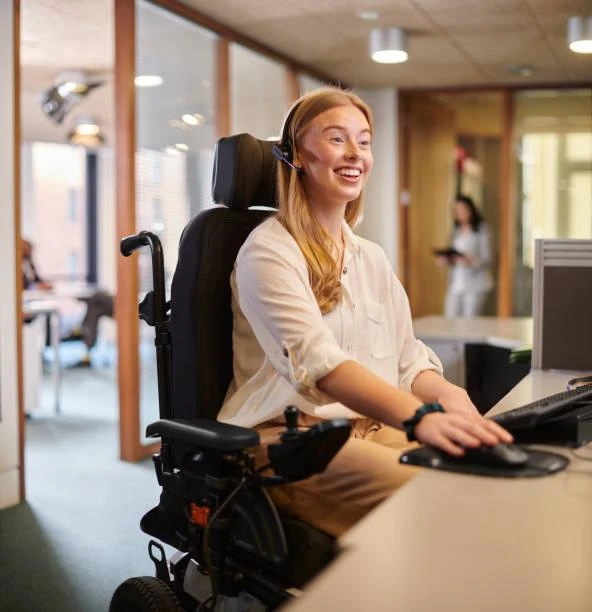
- Employment support – many careers provide personalized support for people with developmental disabilities to help maintain efficient and meaningful work in a supportive environment. Workplace adjustments such as quiet workspaces, flexible hours and clear instructions tailored to sensory needs are also a major support.
Independent Living Transition
The way to achieve successful independent living is to plan early and help individuals with IDD learn the life skills required to ensure they have the ability to live independently within a community. These life skills include:
- Household responsibilities – this includes learning to cook, clean and do the laundry safely. It may be helpful to create a routine to help them get into a pattern of doing household chores regularly.
- Hygiene and self care – learn efficient personal grooming and getting dressed and choosing what to wear, maintain regular health appointments such as doctors, dentist and opticians.
- Finance handling – learn how to budget money and manage expenses safely and appropriately.
- Time management – learn how to follow schedules and routines, meet work and life deadlines and plan daily activities.
- Transportation – learn how to use local transport to help with travelling around the area such as bus routes and try ride apps.
Life transitions can cause major upheaval for people with disabilities but they are much easier to navigate with suitable plans in place. Focus on their strengths and develop important skills to ensure they have the ability to succeed in these changes.
Path-Now helps clients connect with autism and disability resources in California tailored to your unique needs. Simply make an account and discover thousands of local services on an accessible platform for free!
