Self-advocacy for people with autism and intellectual and developmental disabilities is vital in being able to speak up for your individual needs and rights in many aspects of life, from home and work life to community and social spaces. There are many situations where your voice needs to be heard for the appropriate accommodations and accessibilities to be made.
Self-advocacy provides people with disabilities with confidence, empowerment and improvements to wellbeing through clear communication and assertiveness. Know your strengths and challenges and communicate your needs to stand up for yourself in various situations including healthcare, employment and society. Be firm in expressing your needs, find useful resources and support and use problem solving and negotiation skills to improve your self-advocacy.
Essential Self-Advocacy Skills
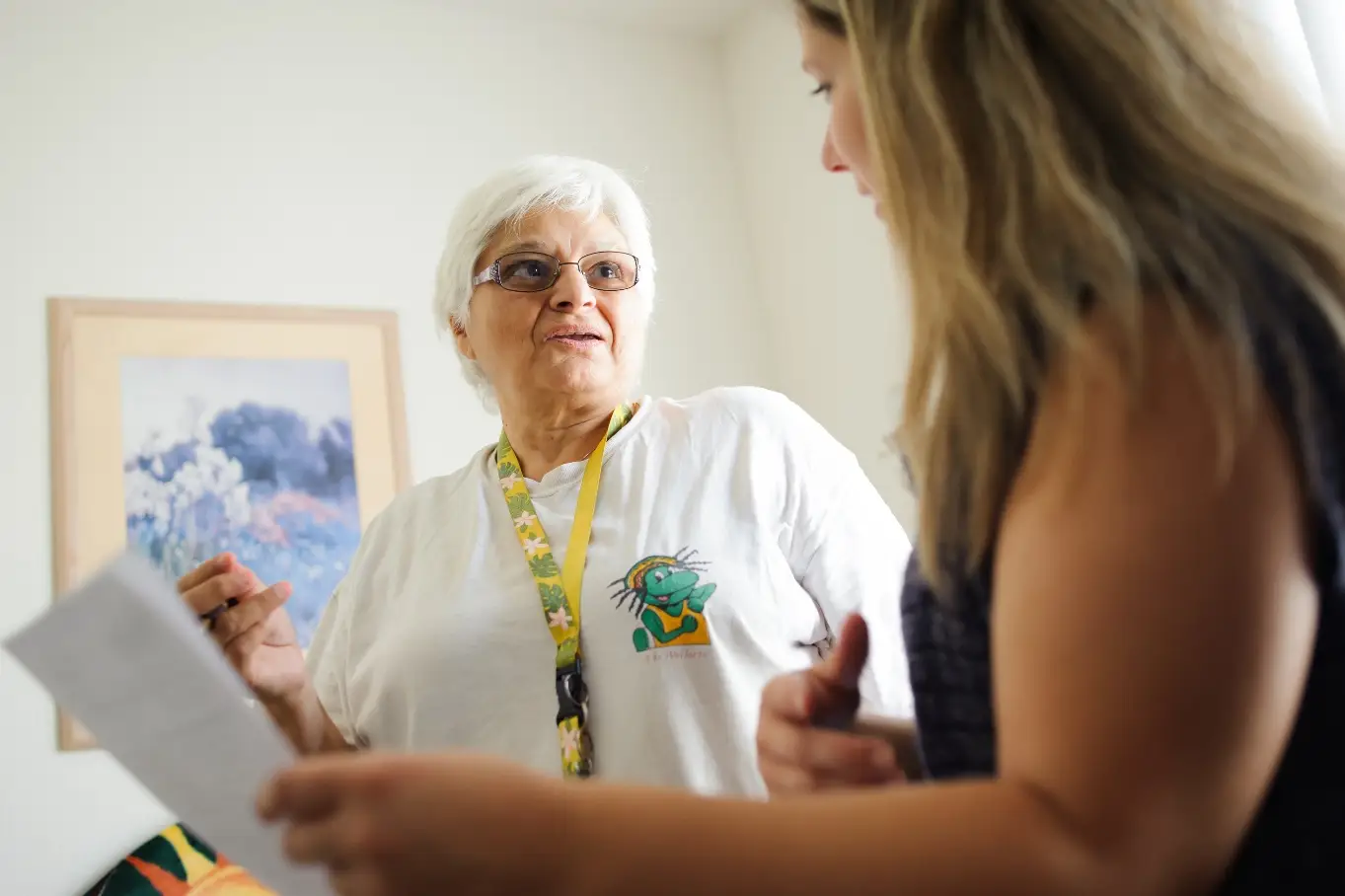
To ensure people with autism and IDD can communicate their needs and rights, you need the right skills to enhance your self-advocacy. These skills combine to empower individuals to speak up and be heard and also to improve independence and self belief. Confidently navigate personal, social and professional situations with these effective self-advocacy skills:
- Communication and assertiveness be confident and articulate with your communication to ensure your opinions are heard and understood. Also listen to other people’s opinions and form your own thoughtful responses.
- Self awareness know and understand your own strengths and challenges and use this to stand up for your needs and rights. For example, accommodations required in education such as extra time or a quiet room, or accessible technology in the workplace.
- Problem solving you need to make decisions and solve problems to ensure your needs are met. Obtain information, discuss advantages and disadvantages and consider different outcomes that best suit you.
- Negotiation in some situations, you may need to compromise and so negotiation is an essential skill to ensure you find suitable solutions for your needs that are mutually effective.
- Determination self-advocacy comes with a lot of barriers and resistance and so determination and resilience are vital skills to maintain motivation and overcome challenges.
How to Improve Self-Advocacy Skills
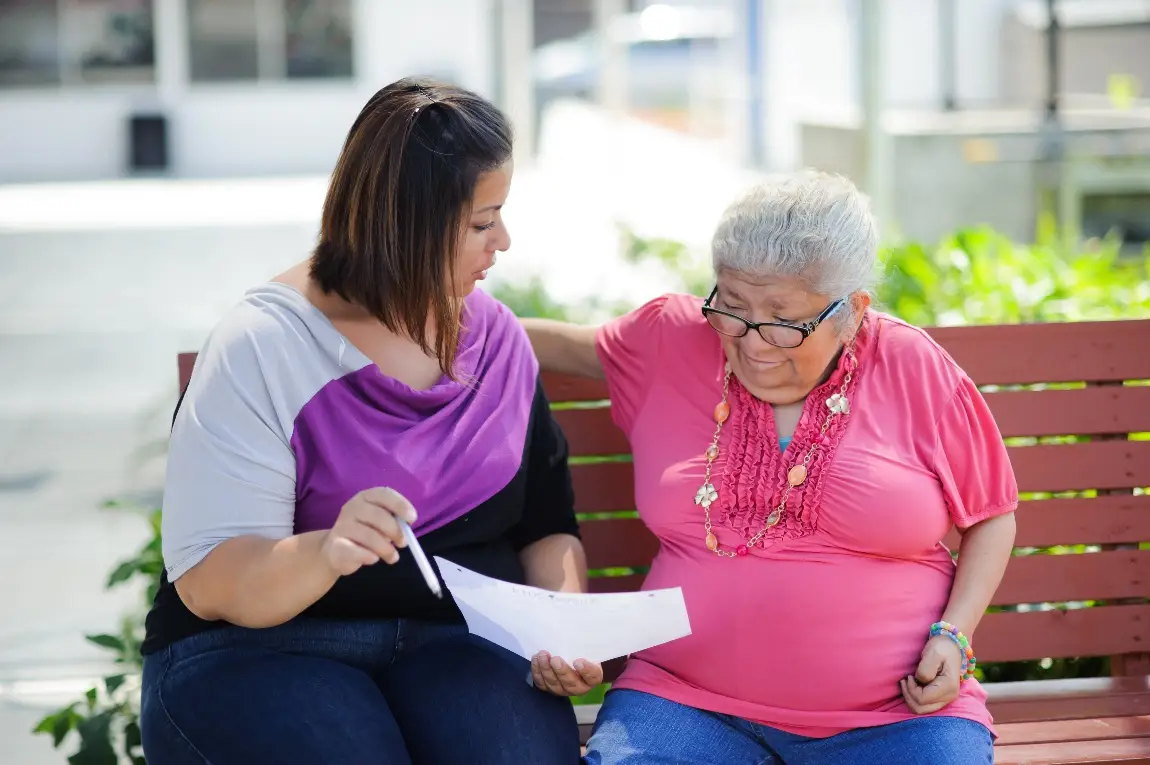
Improving self-advocacy skills requires individuals with disabilities to have strength and confidence to communicate needs, receive suitable accommodations and stand up for their rights.
- Fully understand your disability and how it impacts your life. This is the most important way to achieve clear needs and support from others.
- Educate yourself on laws such as the Americans with Disabilities Act (ADA) to ensure you receive the appropriate legal protection in education, workplaces and society.
- Practice conversations with family, friends or support workers before speaking to authorities or employers and receive support and feedback for the best approach.
- Join support groups to share experiences and receive advice in a safe and encouraging environment. Peer groups create a sense of belonging and support, improving confidence and independence.

Self-advocacy is a vital skill for people with autism or IDD to be heard and receive the right support and accommodations in various aspects of daily life. Path-Now.com provides clients with extensive resources and support in California and you can find groups to improve your self-advocacy skills and confidence.
