The use of social media for disability representation has improved significantly over recent years with increased awareness due to the authentic voices of people with disabilities being heard. There is still a disturbingly low percentage of disability representation in traditional media such as TV and film and people now go looking for information online and on social media.
There are many disability influencers on apps such as Instagram and Tik Tok who tell their story, present their daily routines and show followers the truth of what it’s really like living with a disability. This is often applauded as showing the reality in comparison to other media which may show a glorified or tokenistic representation of disability.
Is Disability Representation in Social Media Progress?
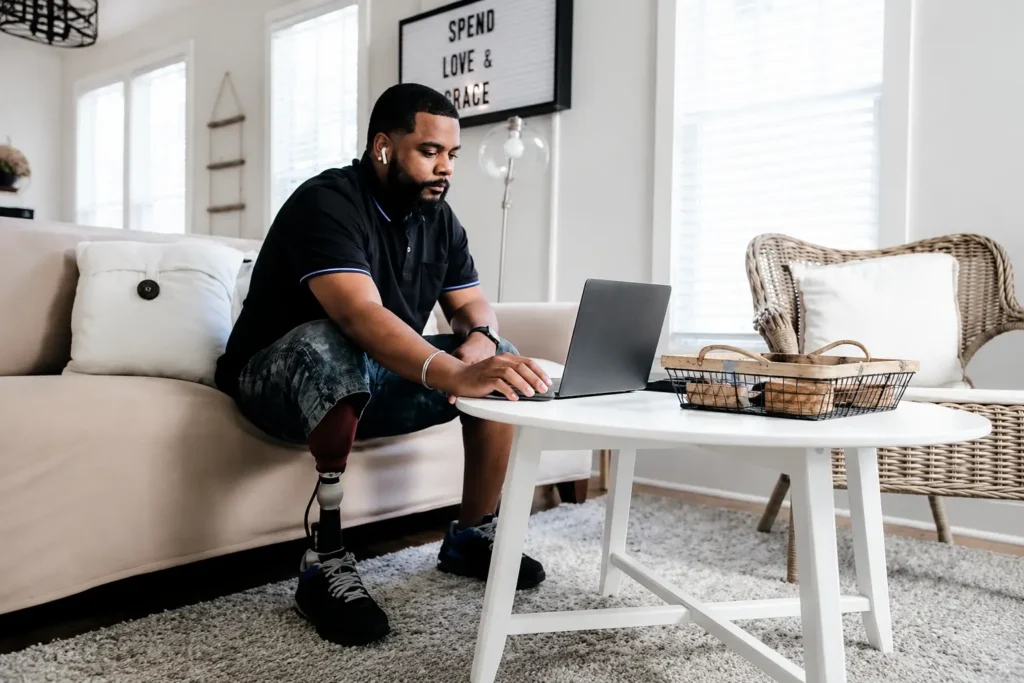
There are many positives for increased disability representation in social media due to the visibility and empowerment it can provide. Here are some reasons that encourage progress:
- Authentic disability representation – social media allows people with disabilities to be themselves and provide their own authentic narrative about what it’s really like living with a disability.
- Supportive community – social media is a very powerful tool for building a supportive disability community that continues to grow. Social media provides a safe space that shares resources, provides information and drives social change.
- Diverse narratives – disabled content creators are given a voice and platform to share their individual stories and daily life on a wide range of disabilities and their experiences which encourages further understanding.
Or Is Disability Representation in Social Media Simply Performative?
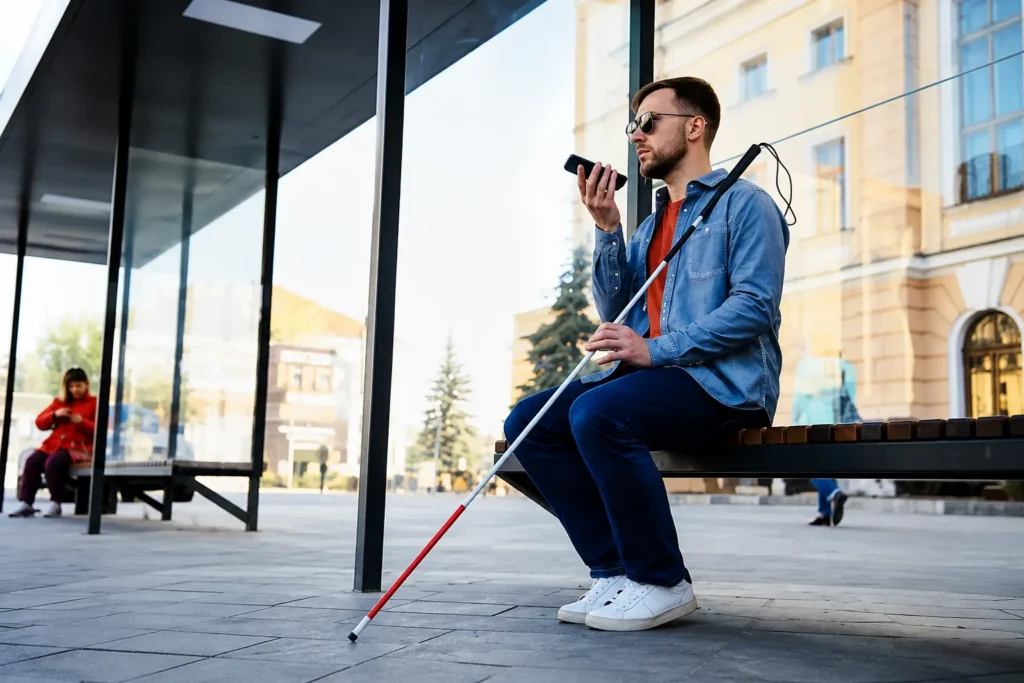
However, some disability representation in social media can be seen as performative and only surface level which can cause harm to individuals with disabilities and their experiences. Here are some ways it’s performative:
- ‘Box ticking’ – some brands use disability representation to show they are inclusive on the surface but end up not making the effort to provide inclusivity long term which is damaging to the disability community.
- Disability exploitation – there is a social media trend of people with disabilities being labelled as heroic for simply living their lives. Disability is often portrayed as an obstacle that must be overcome and this content treats disability as a spectacle which is a harmful vision.
- Misrepresentation and superficial content – some content is misrepresentative of disability and it may not truthfully reflect daily life and show over simplified experiences of people living with a disability.
There are many different views on whether social media disability representation provides progress or is performative but it does provide a platform for diverse disability narratives to raise awareness and reduce stigma around disabilities. Social media currently offers a much more authentic view of disability but there is still a long way to go for fully inclusive content created by people with disabilities themselves.
Path-Now is an online platform designed to connect individuals with IDD to many local disability services and resources in California.
